Leading Stripes Global, Inc., Tyson Schultz is an established Bremerton, Washington entrepreneur who offers health care equipment manufacturing solutions. When he's not overseeing the operations at Stripes Global, Tyson Schultz enjoys activities such as fishing and homesteading, as well as foraging for mushrooms.
One of the most sought after edible fungi in the Northwest, the Pacific golden chanterellehas a mycorrhizal relationship with the roots of several tree species in conifer forests. It is typically found in the vicinity of Douglas-fir, western hemlock, and Sitka spruce, as well as live oaks in Northern California.
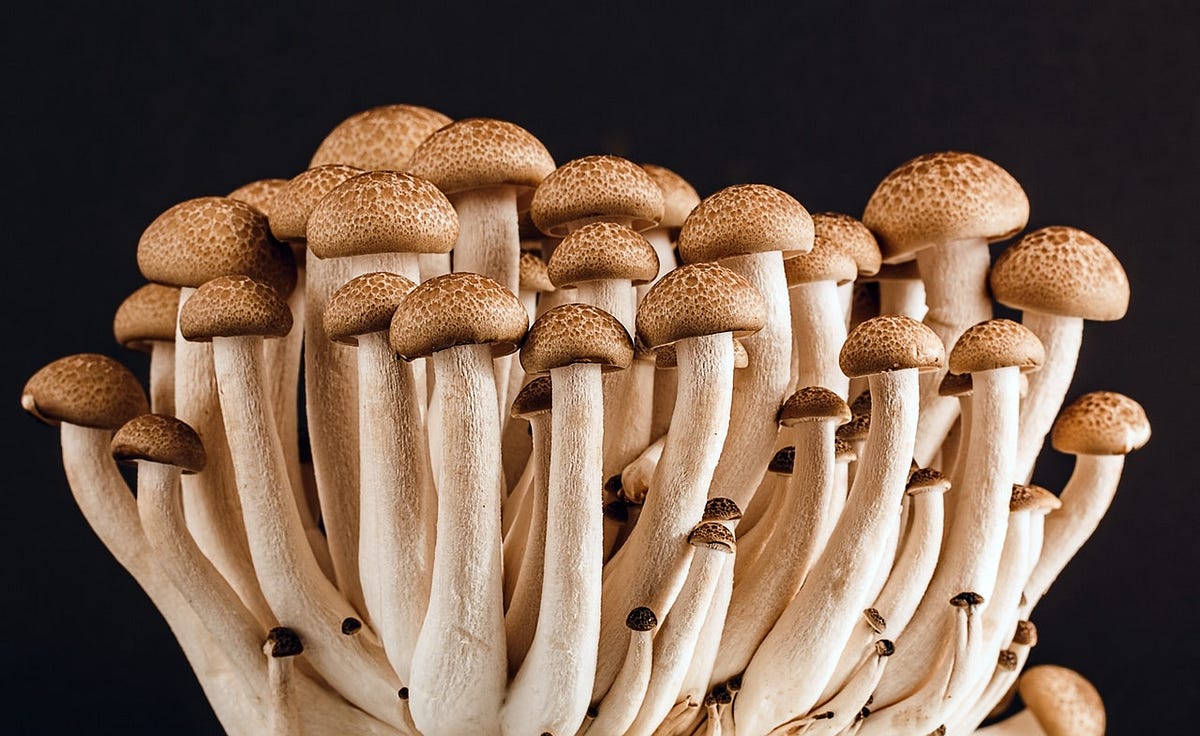
Easy to identify, the mushroom has features that include a long, gracefully tapering stem and an orange-yellow cap with small dark scales on its surface. The underside has false gills that are pinkish.
Often forming permanent colonies in preferred locations, Pacific golden chanterelles do not grow in direct sunshine and may be hidden under areas of moss. They tend to fruit in conditions of heavy rainfall and warm soil.
For those hunting chanterelles and other mycorrhizal fungi, one caution is to avoid those found in areas around industrial buildings, highways, and metal mines. This has to do with the fact that they can accumulate neodymium, lead, and other toxics. It also pays to learn to distinguish them from bitter false chanterelles and poisonous Jack O’Lanterns. The latter mushrooms cluster around the base of deciduous trees such as madrone and oak.